Hellfire Pass, located in Kanchanaburi Province in western Thailand, is one of the most significant and sobering sites connected to the construction of the Thailand–Burma Railway, often called the “Death Railway.” Built between 1942 and 1943 during World War II under the control of the Imperial Japanese Army, the railway stretched approximately 415 kilometers (258 miles) from Ban Pong in Thailand to Thanbyuzayat in Burma (now Myanmar). Its purpose was to support Japanese military operations in the region.
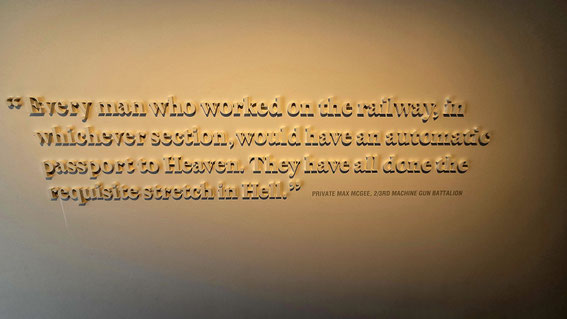
The human cost was devastating. Approximately 12,000 Allied POWs died during the construction of the railway. Among the Asian laborers, the death toll is far less precisely recorded but is estimated to be between 90,000 and 100,000 people. Many perished from exhaustion, illness, starvation, and mistreatment.
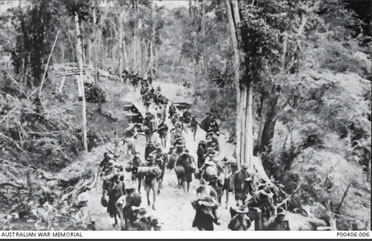
Members of "A' Force marched to a new camp site to work on the construction of the Burma section of the Thai-Burma Railway. Taken in Kendau, about four kilometers south of Thanbyuzayat.
Construction of the railway started at each end of the railway. Members of A Force (approximately 3,000 people) were the first Australian group to leave Singapore for Burma.
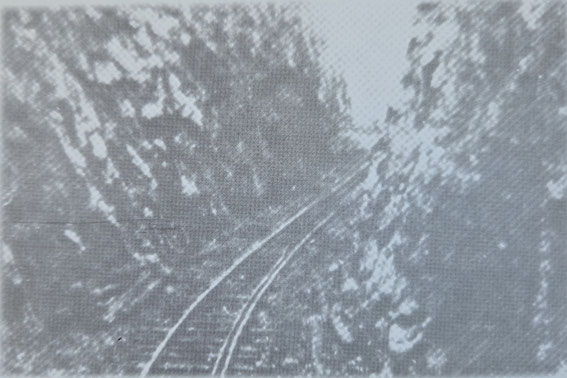
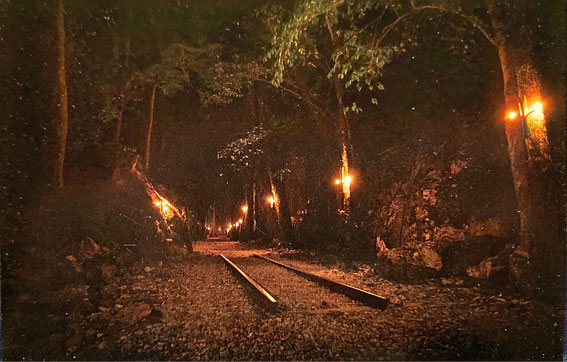
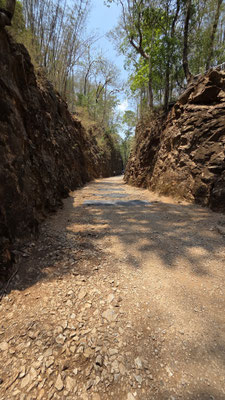
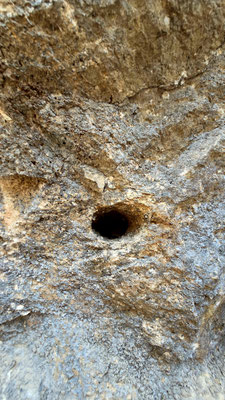
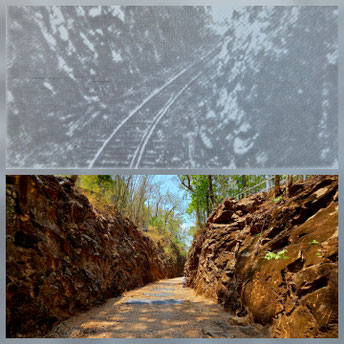
Hellfire Pass—known in Thai as Konyu Cutting—was one of the most difficult sections of the entire Burma Railway, commonly known as the Death Railway, located in Kanchanaburi province in western Thailand. It was built during the Second World War using forced labour, primarily by Allied prisoners of war from many countries. It was cut by hand through solid rock using basic tools, under brutal conditions. Workers endured harsh conditions, and many lost their lives. The pass earned its name because at night, prisoners worked by torchlight, and the red glow over the laborers resembled a scene from hell.
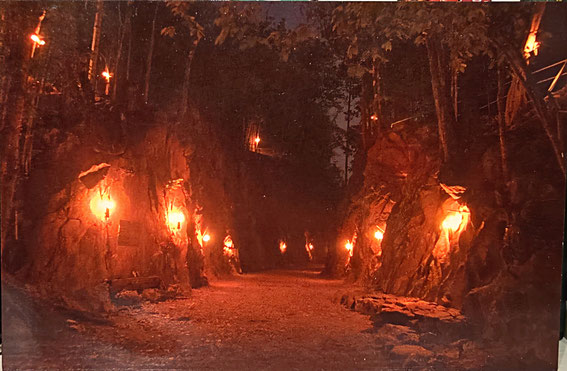
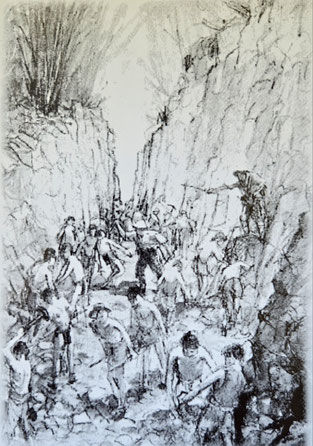
Hellfire Pass lies in the Tenasserim Hills, one of the most challenging sections of the railway. It contains the largest rock cutting on the entire line and is in a remote area, which meant workers had few tools and little medical care.
Initially, a tunnel was planned, which would have required less labour, but a cutting was chosen instead because it could be worked on at multiple points simultaneously. This decision increased the workload and deaths, as Japanese guards forced prisoners to work up to 18 hours a day.
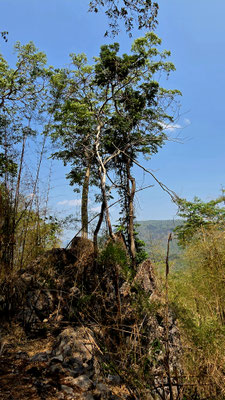
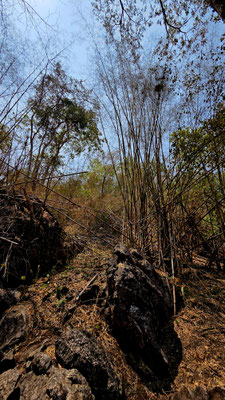
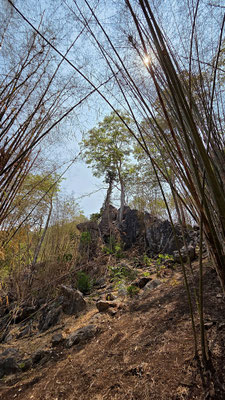
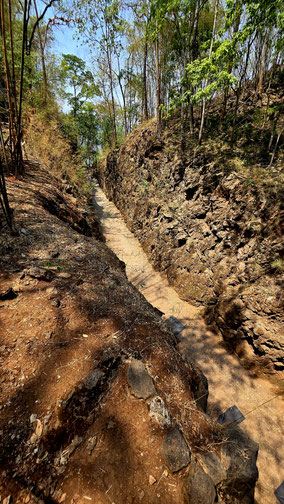
The cutting was completed in about six weeks. During this time, at least 69 men were beaten to death by Japanese guards, and many more died from starvation, cholera, and exhaustion.
The majority of deaths, however, occurred among labourers who had been falsely promised good jobs—mainly Malayans—whose deaths were largely unrecorded.
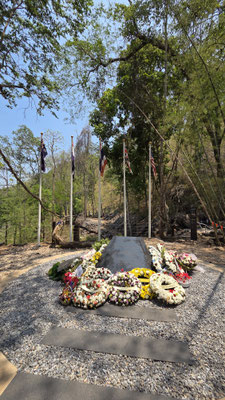
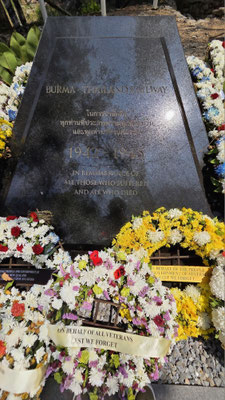
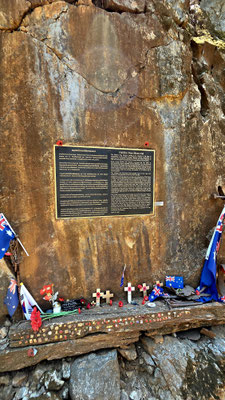
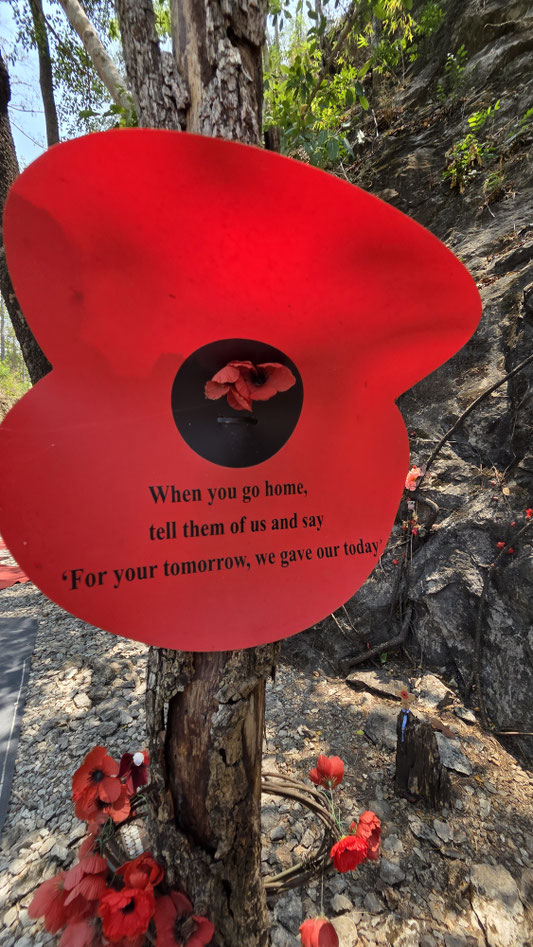
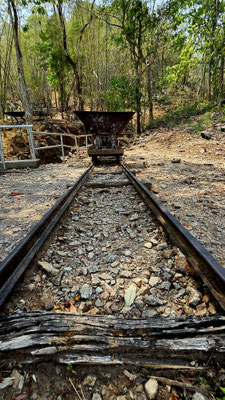
The railway no longer runs through Hellfire Pass, and the site has become a memorial to the suffering endured during its construction. The Hellfire Pass Memorial Museum, established with support from the Australian government, preserves the history, provides detailed historical context through exhibits, personal accounts, and artifacts.
On the annual Anzac Day service (on April 25), commemorates the Australian and New Zealand prisoners of war, as well as others who died during the railway’s construction.
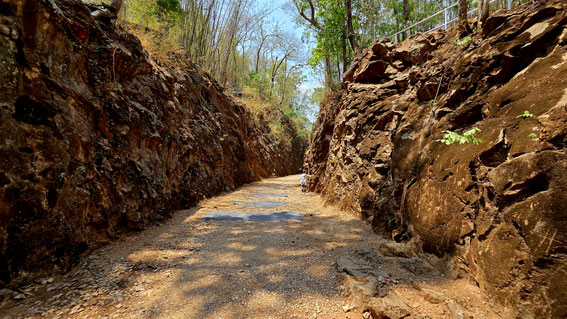
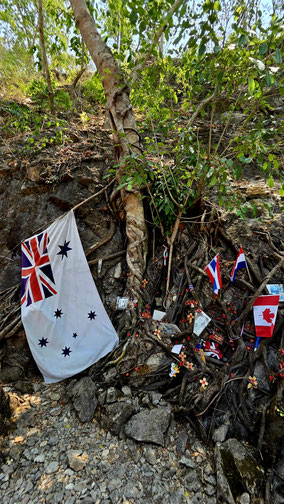
The Hellfire Pass Memorial Walk is much more than a standard tourist attraction—it offers a deeply moving encounter with one of the most important chapters of World War II in Thailand.
Carved through solid rock by prisoners of war and forced laborers, the site endures as a striking symbol of resilience, sacrifice, and remembrance.

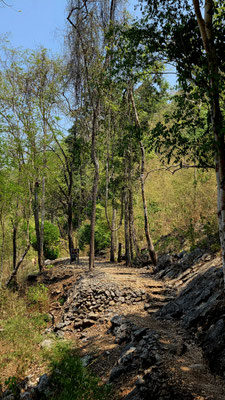
As visitors follow the narrow, rock-cut pathway, they are surrounded by a quiet atmosphere that naturally invites reflection. Informational displays and the nearby memorial museum add essential historical insight, shedding light on the immense human suffering tied to the construction of the Death Railway.
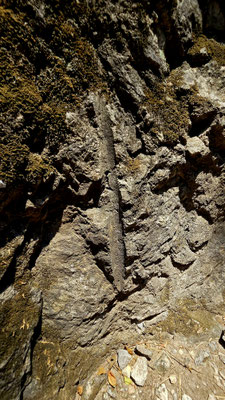
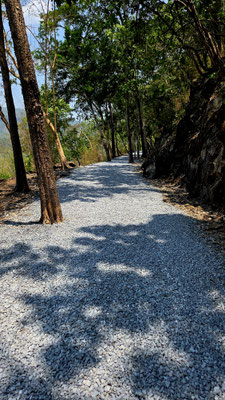
The setting fosters a sense of silence and respect, making the visit particularly meaningful for those who engage with it thoughtfully.
For those looking for a more meaningful, educational, and respectful connection to history, Hellfire Pass remains one of the most significant destinations to visit in Kanchanaburi.

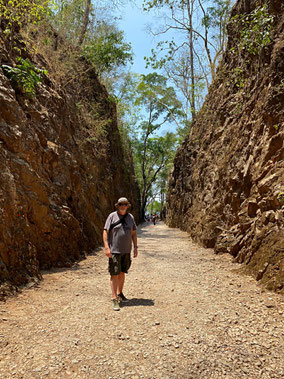
Walking along the narrow, stone-hewn path, visitors are met with quiet surroundings that invite reflection.
Informative signs and the nearby memorial museum provide important historical context, helping to reveal the immense human cost behind the construction of the Death Railway.
The atmosphere encourages silence and respect, making the experience especially meaningful for those who approach it thoughtfully.
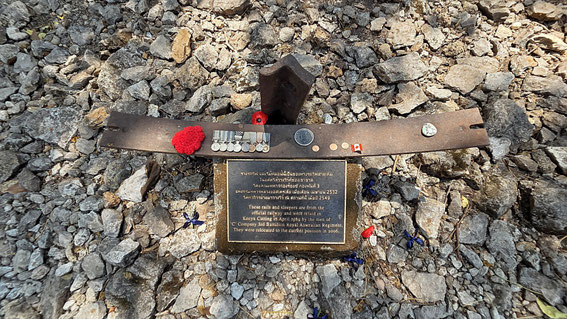
For travelers seeking a deeper, more educational and responsible connection to history, Hellfire Pass remains one of the most important places to visit in Kanchanaburi.
For myself, this WW2 site was one of the most moving sites I ever visted on my many visitis to WW2 sites in Europe and now in the Far East. I highly recommend a visit of this place.